Amsterdam is one of the best cities in Europe for international food, and Indian cuisine is a favourite for locals and visitors alike. But if you search for a South Indian restaurant in Amsterdam, you may notice something: the experience is very different from the Indian food many people grew up with in Europe.
There are crisp crepes as long as your forearm, soft steamed rice cakes, lentil stews with a tangy kick and flaky breads made for scooping up curry. It is lighter, fresher and often more surprising than the creamy gravies and tandoori dishes most people expect.
This guide explains what a South Indian restaurant really is, how the cuisine works, how to build a satisfying meal, and what to expect when you visit Rangoli South Indian Restaurant on Haarlemmerstraat, a short walk from Amsterdam Centraal.
1. What Is a South Indian Restaurant?
A South Indian restaurant focuses on the food of southern India: the states of Tamil Nadu, Kerala, Karnataka, Andhra Pradesh and Telangana. The menu is usually built around dosa, idli, vada, uttapam, sambar, chutneys, rice dishes and regional curries, rather than only the tandoori and creamy dishes associated with North India.
Many restaurants, including Rangoli, serve both South and North Indian food. That is a big advantage when you are eating in a group, because different people can order what they like and still share one table.
2. How South Indian Food Is Different From Other Indian Food
The biggest difference is the base. North Indian cooking often relies on wheat breads, dairy, tomato and onion gravies and the smoky heat of the tandoor. South Indian cooking leans on rice, lentils, coconut, tamarind, curry leaves and mustard seeds.
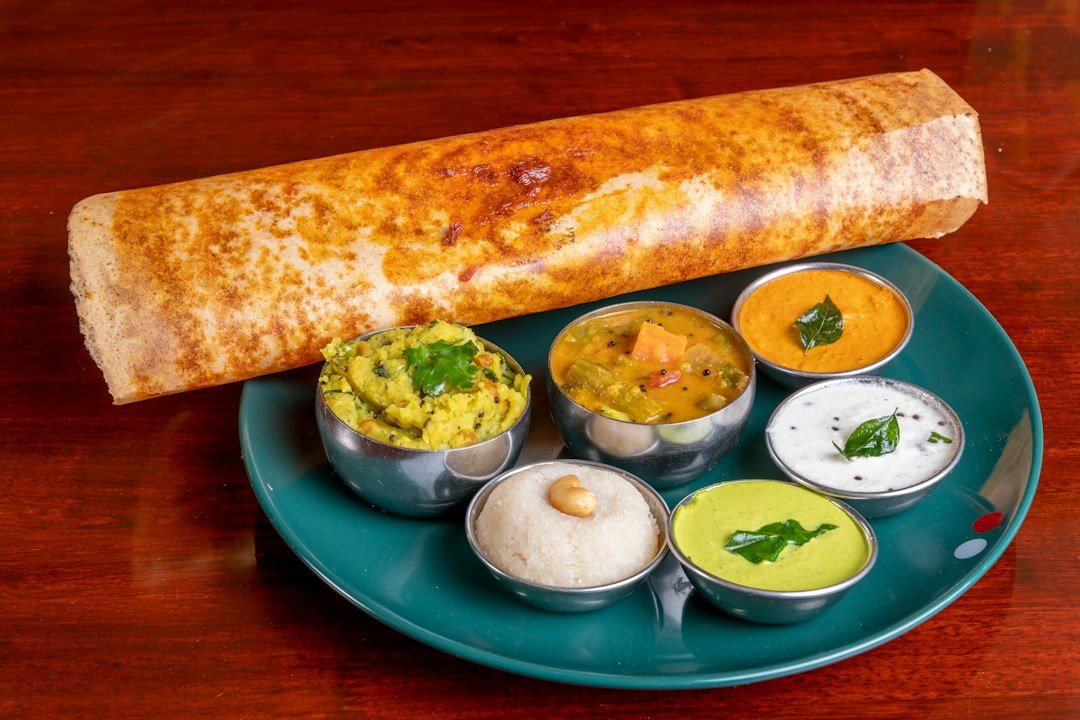
Another key difference is fermentation. Dosa and idli are made from a fermented batter of rice and lentils. The fermentation gives them a light texture and a gentle tang that you simply do not get from other breads and pancakes.
Finally, the flavour profile is often brighter. Tamarind adds sourness, curry leaves add aroma, coconut adds softness and roasted spices add depth. If you think you know Indian food, South Indian cuisine will probably show you something new.
3. The Regions Behind the Menu
South India is not one single food culture. Each state has its own habits and favourite dishes, which is why a good South Indian menu can feel so varied.
Tamil Nadu
Known for idli, dosa, vada, pongal and a long tradition of tiffin-style meals. Dishes are often built around rice, lentils and carefully balanced spice.
Kerala
Coconut, curry leaves and aromatic spices take centre stage. Kerala is also famous for its flaky parotta, which is perfect with curry.
Karnataka
Home of the crisp dosa in many forms and a wide range of rice dishes, chutneys and lentil preparations.
Andhra Pradesh and Telangana
Famous for bold, spicy flavours and flavourful biryani traditions. If you like food with a little more heat, this is the region to know.
4. How to Build a Full South Indian Meal
If you are new to the cuisine, the menu can feel like a long list of unfamiliar names. A simple way to approach it is to build your meal in layers.
Start with something to share
Medu vada or idli make excellent starters. They are light, easy to share and come with chutney and sambar, so everyone gets a first taste of the flavours to come.
Pick a main dish
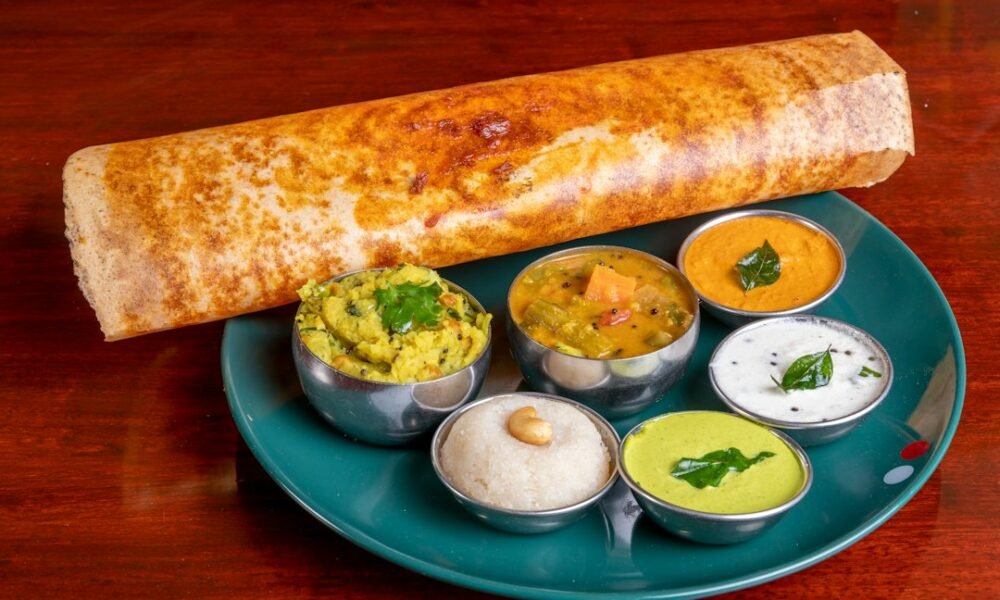
A dosa is a meal in itself, especially a masala dosa with its potato filling. If you want something heartier, add a curry or biryani to share.
Add bread or rice
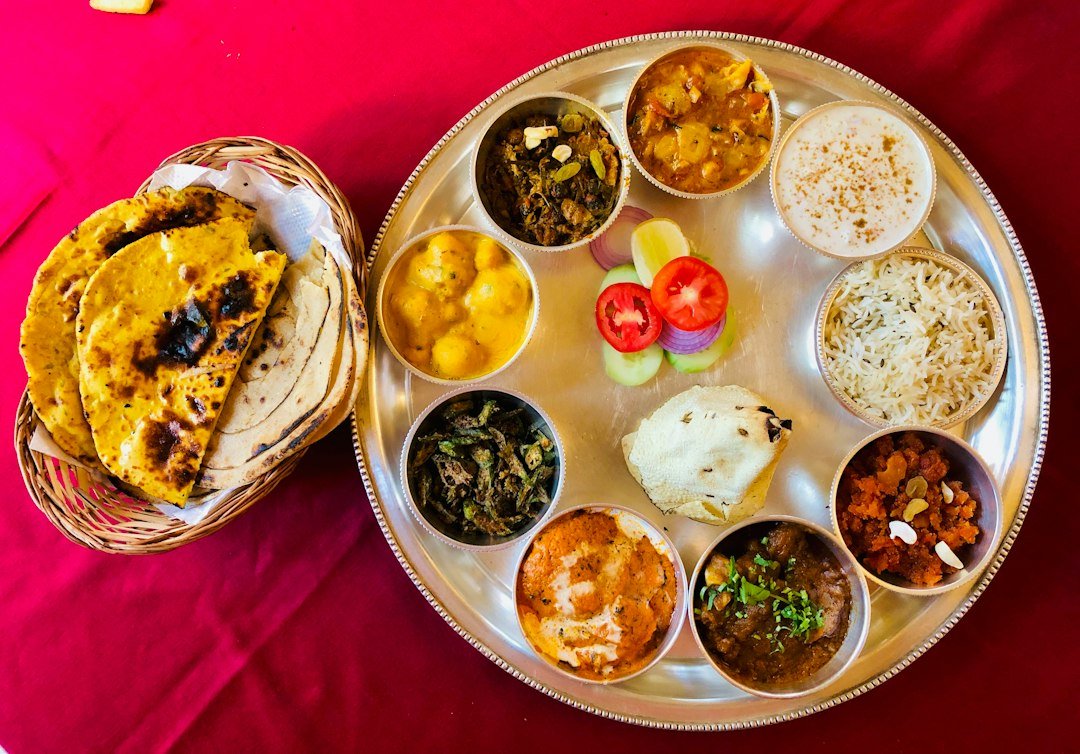
Kerala parotta is a great partner for curry, while rice dishes balance richer gravies. Choose whichever suits the curry you have picked.
Keep sambar and chutney on the table
Sambar and coconut chutney are not just side dishes. They change the flavour of every bite, so try the same dish with and without them to see the difference.
Finish with something warm or sweet
Ask what drinks and desserts are available on the day and let the team recommend a pairing for your meal.
5. Dosa, Idli or Uttapam: Which Should You Choose?
These three dishes come from the same fermented batter but feel very different on the plate.
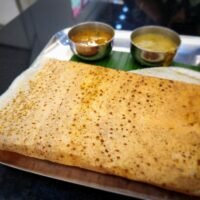
Dosa is thin and crisp, ideal if you love texture and crunch. Idli is soft and fluffy, perfect if you want something light and comforting. Uttapam is thicker and softer, cooked with toppings such as onion and tomato, and works well when you want something more filling.
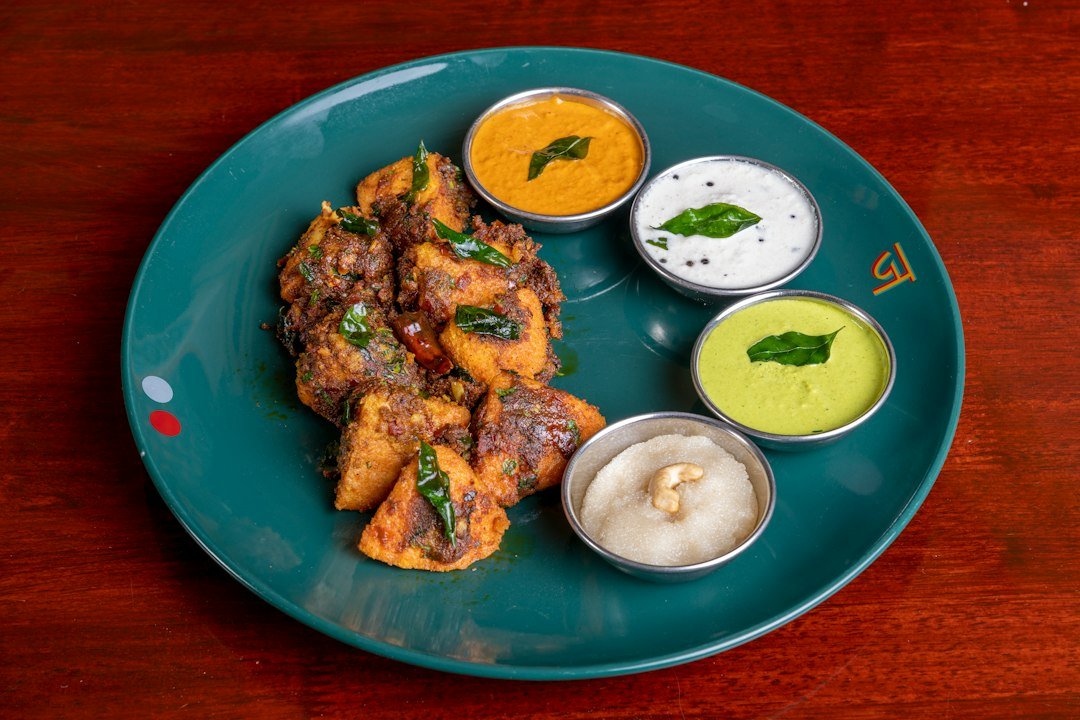
If you cannot decide, order one of each to share. That is the easiest way to learn which style you like best. For a full tour of the dishes, read our guide to the best South Indian dishes to try in Amsterdam.
6. Eating South Indian Food With Friends, Family or on Your Own
With a group: South Indian food is ideal for sharing. Order several dishes for the middle of the table so everyone can taste dosa, vada, curry and parotta.
With family: the range of textures and mild-to-spicy options means there is usually something for every age. Ask the team to suggest milder dishes for children or guests who prefer less heat.
On your own: a masala dosa with sambar and chutney is a complete, satisfying solo meal, and it is easy to enjoy even if you have only a short break.
7. Lunch or Dinner at a South Indian Restaurant?
Both work. Dosa, idli and vada are traditionally popular for breakfast and light meals in India, so they make a satisfying lunch. In the evening, you can add curries, biryani and tandoori dishes to turn the same menu into a full dinner.
Rangoli has separate lunch and dinner menus, so check the current menu to see what is available at the time you plan to visit.
8. What to Expect at Rangoli South Indian Restaurant
Rangoli is a family-run restaurant serving both South and North Indian dishes, from dosa and idli to curries, biryani and tandoori specialities. You can dine in or take your food away, and you can see the full range of dishes on our menu page.
Guests in public reviews often mention the dosa, idli sambar and medu vada, which is exactly what we recommend for a first visit. If you want to know more about our story, visit the About Rangoli page.
Planning a group meal or a special evening? Reserve your table online so we can have your seats ready.
9. Tips for Your First Visit
- Order a few dishes to share instead of one dish each.
- Try dosa and idli together so you can compare textures.
- Eat dosa and vada with your hands if you like: tearing and dipping is part of the fun.
- Ask for spice-level advice if you are not sure.
- Dip, mix and match: the same dish tastes different with sambar, coconut chutney or curry.
- Look at the menu in advance and book a table for groups.
10. Find Rangoli in Amsterdam
- Restaurant: Rangoli South Indian Restaurant
- Address: Haarlemmerstraat 11, 1013 EH Amsterdam
- Phone: +31 20 622 3776
- Map: Open in Google Maps
- Booking: Reserve a table online
Frequently Asked Questions
Yes. Rangoli South Indian Restaurant is at Haarlemmerstraat 11, a short walk from Amsterdam Centraal Station.
Start with masala dosa, medu vada and idli with sambar and chutney. Add a curry or biryani if you are dining with a group.
South Indian food is built around rice, lentils, coconut and tamarind, with dishes such as dosa, idli and sambar. North Indian food is known for tandoori dishes, wheat breads such as naan and richer, creamier gravies.
It can be, but it is not always hot. Spice levels vary a lot by dish, so tell the team how spicy you like your food and they can guide you.
Yes. Rangoli serves both South and North Indian dishes, so groups with different tastes can eat together.
Yes. You can reserve through the online reservation page on our website or call +31 20 622 3776.
Yes. Rangoli offers takeaway as well as dine-in. Check the menu and call the restaurant for details.
Discover South Indian Cuisine at Rangoli Amsterdam
The best way to understand South Indian food is to taste it. Order a dosa, share some vada, dip everything in sambar and chutney and try a curry you have never had before. Whether you searched for a South Indian restaurant in Amsterdam, Rangoli Amsterdam or South Indian food restaurant, we would love to welcome you at Haarlemmerstraat 11. Book your table today.